UK Government Sets Stage for Consultation on Unlicensed Gambling Sponsorships
Logan Hartmann · Aug 23, 2026

UK Government Sets Stage for Consultation on Unlicensed Gambling Sponsorships
The UK government has announced plans to launch a consultation aimed at banning unlicensed gambling operators from sponsoring British sports teams, with particular attention on Premier League football clubs. This step addresses ongoing concerns about offshore companies that continue to secure visibility through sponsorship deals despite regulatory warnings. The announcement comes after public criticism regarding delays that permitted certain agreements to move forward, and it targets a specific loophole that has allowed promotion to UK audiences.
Background on the Regulatory Gap
Observers note that offshore gambling firms have maintained a presence in British sports marketing through arrangements that fall outside direct UK licensing requirements. Data from industry reports shows that such deals often involve crypto-based platforms operating from jurisdictions with different oversight standards. The proposed consultation seeks to examine how these arrangements reach fans through team jerseys, stadium signage, and broadcast exposure, while researchers at various European institutions have documented patterns in cross-border advertising reach.
The Everton FC and Stake.com Arrangement
One case that drew attention involved Everton FC entering a three-year sleeve sponsorship with Stake.com, described as an unlicensed operator in the UK. The agreement highlighted how delays in policy adjustments allowed the deal to proceed even as questions about compliance surfaced. Club officials completed the contract under existing rules, yet the situation illustrated the challenges regulators face when firms base operations outside the UK while targeting domestic audiences through sports partnerships.
Details of the Planned Consultation
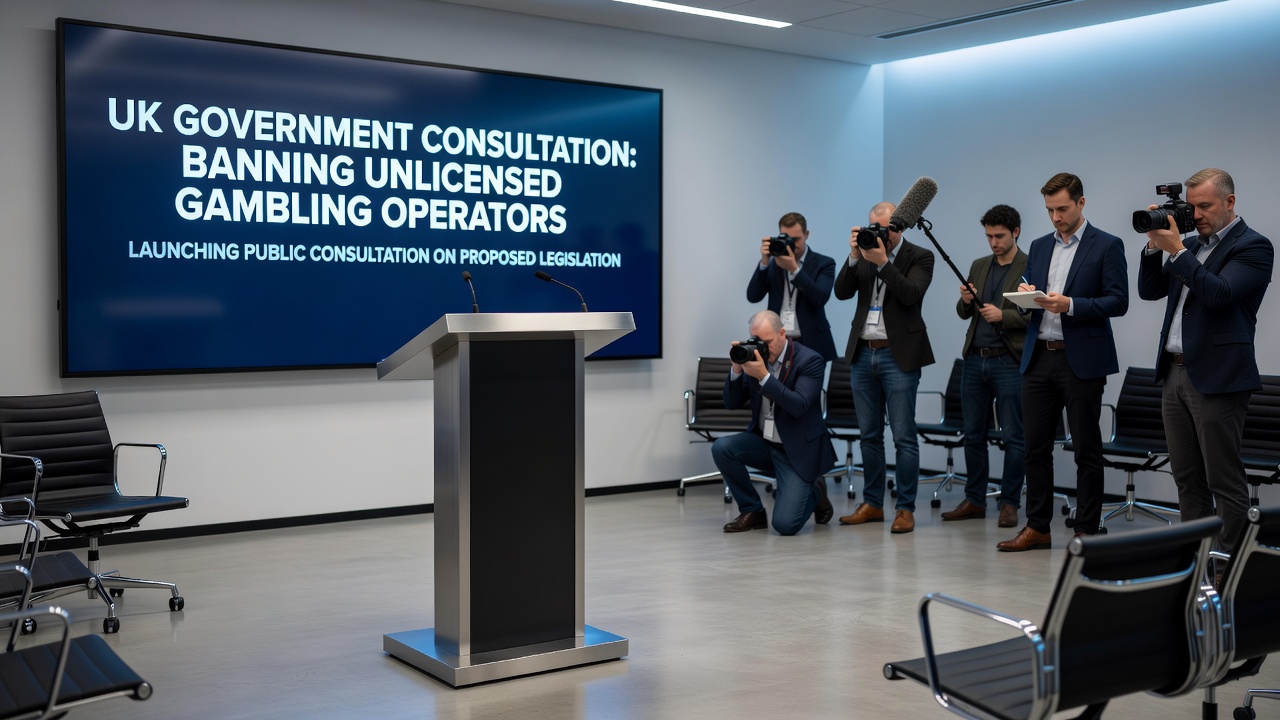
Government statements indicate the consultation will review measures to prevent unlicensed entities from gaining sponsorship access to British teams. Officials have outlined a timeline that includes an expected start in August 2026, giving stakeholders time to submit evidence on current practices and potential reforms. The process will focus on closing pathways that enable promotion despite warnings issued by oversight bodies, and it will consider adjustments to advertising rules that apply specifically to sports contexts.
Mechanics of the Identified Loophole
The loophole arises because certain operators avoid UK licensing by basing activities offshore, which allows them to enter sponsorship contracts without triggering standard regulatory checks. According to analyses from the Canadian Centre on Substance Use and Addiction, similar offshore marketing strategies have appeared in other markets, creating comparable enforcement difficulties. UK authorities aim to address this by exploring requirements that tie sponsorship eligibility more closely to licensing status, thereby limiting exposure for fans who encounter these promotions through match broadcasts and merchandise.
Broader Effects on Premier League Clubs
Premier League teams have relied on gambling-related sponsorships as one revenue stream among many, and any changes would require clubs to reassess existing and future agreements. Industry data indicates that sleeve and shirt sponsorships represent significant portions of club marketing income, which means transitions could involve shifts toward alternative partners from other sectors. The consultation will gather input from clubs, leagues, and operators to understand operational impacts while maintaining focus on the stated goal of restricting unlicensed promotions.
Stakeholder Responses and Next Steps
Football authorities and club representatives are expected to participate in the upcoming consultation, providing details on how sponsorships integrate with overall club finances and fan engagement strategies. Government documents emphasize that the review will remain evidence-based, drawing on submissions from multiple parties to inform any legislative proposals that follow. Those who have monitored similar policy developments in other regions point to the value of structured input periods for balancing commercial interests with regulatory objectives.
Conclusion
The announced consultation represents a direct response to the identified sponsorship loophole and the specific circumstances surrounding deals such as the one involving Everton FC and Stake.com. By scheduling the process to begin in August 2026, officials have set a clear timeframe for examining options that would restrict unlicensed operators from future involvement with British sports teams. The outcome will depend on the evidence collected during the consultation, which will shape any subsequent policy adjustments in this area.