Tracing Consent Flags Through Casino App Logins to Activate Player Protection Features
Tina Bennett · Sep 5, 2026
Tracing Consent Flags Through Casino App Logins to Activate Player Protection Features
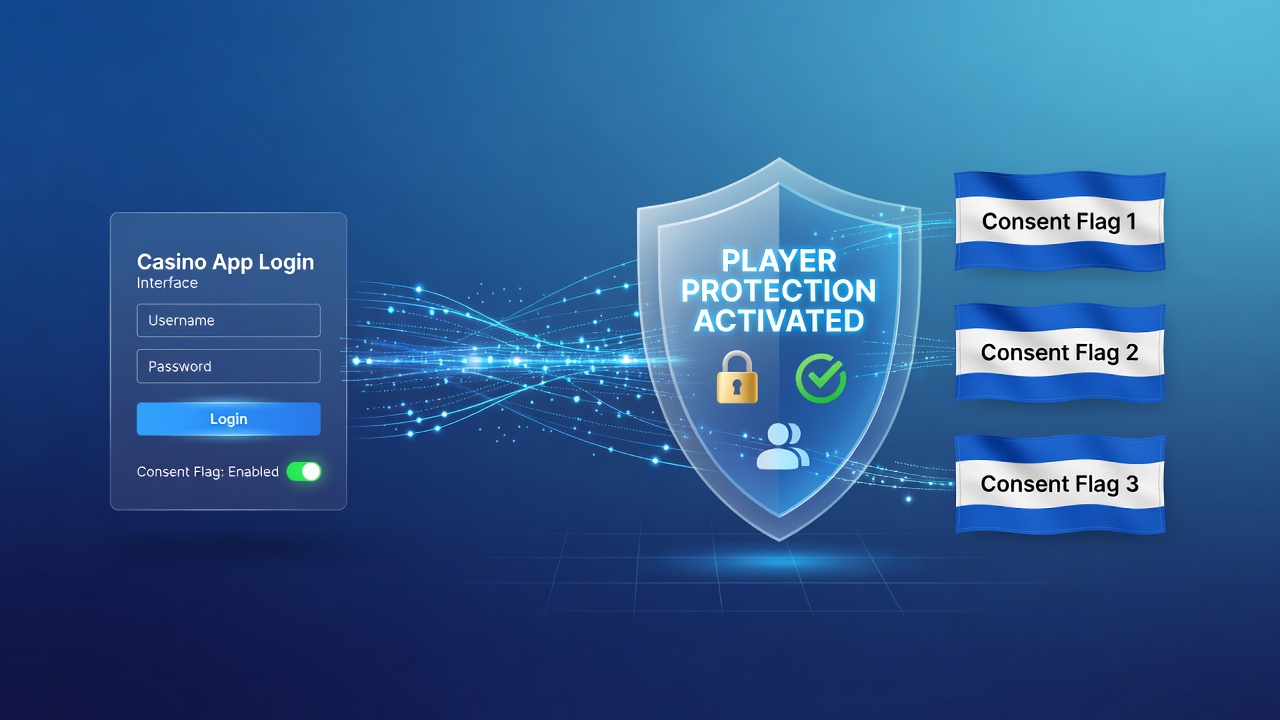
Consent flags operate as digital markers that travel through casino app systems once a user completes login authentication, and these markers determine whether player protection features activate automatically or require additional confirmation steps. Developers design the process so that flags generated at the login stage carry metadata about user preferences for limits, time-outs, and self-assessment tools, then route that information to backend servers responsible for enforcement.
Login Authentication and Initial Flag Creation
During app startup the system captures device identifiers, session tokens, and any stored preference data, after which the login module checks a central consent database to see whether prior opt-in records exist for responsible gaming options. When a returning user authenticates successfully the platform generates a new consent flag that references the original registration choices, and this flag travels alongside the session token to the feature activation layer. New users encounter an on-screen prompt that records explicit consent before the flag is created, ensuring the system holds verifiable timestamped evidence of agreement.
Industry reports show that platforms using this login-triggered approach reduce the delay between user decision and feature enablement compared with registration-only models. Data from multiple operators indicates that flags created at login remain active for the entire session and persist across device restarts when the app stores an encrypted local copy.
Propagation Pathways Inside Mobile Platforms
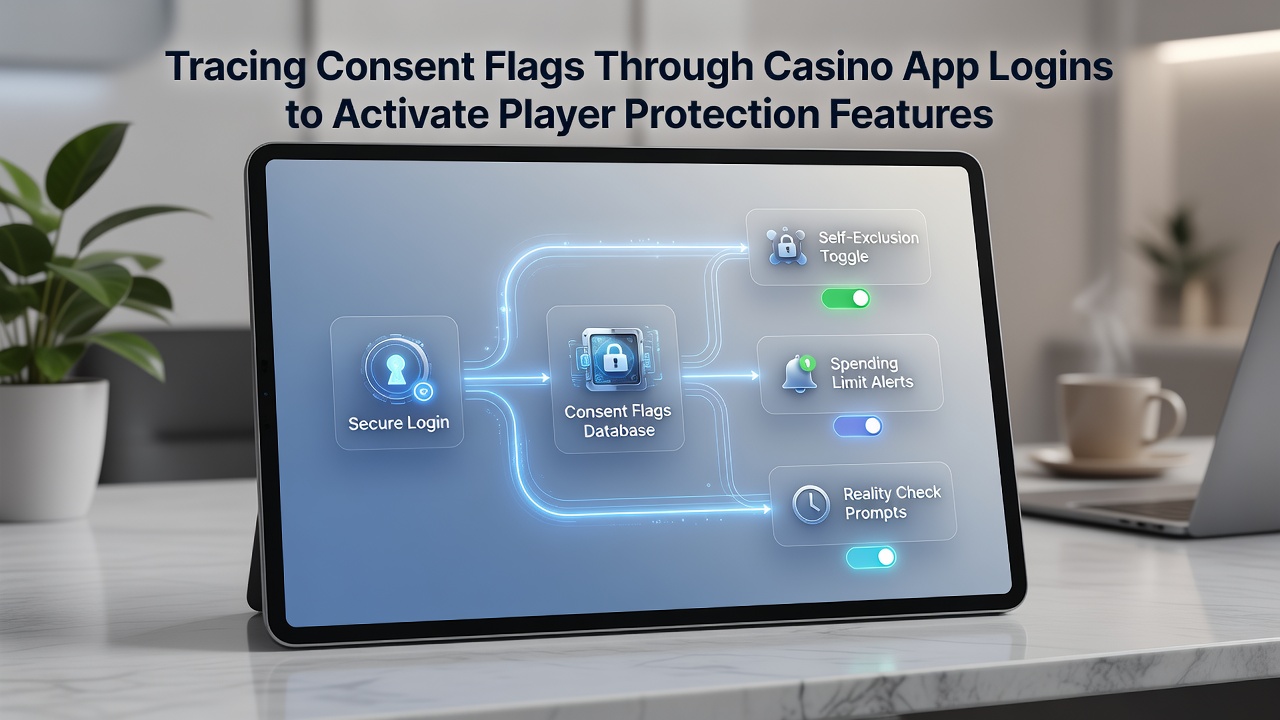
Once created, consent flags move through API endpoints that connect the login service to the responsible gaming module, and each hop includes validation checks that confirm the flag has not been altered. The responsible gaming module reads the flag value, then applies corresponding settings such as deposit caps or session reminders without requiring the user to navigate separate menus. Observers note that this direct pathway limits opportunities for flag corruption because every transfer uses encrypted channels and logs the transmission event in an immutable audit trail.
Systems developed for multi-jurisdiction operators must accommodate different regulatory definitions of consent, yet the underlying flag structure stays consistent so that regional rules can be applied at the final enforcement point. Research published by the Australian Gambling Research Centre demonstrates that flag-based architectures allow quicker adaptation when policy changes occur, because only the enforcement logic requires updating rather than the entire consent collection flow.
Activation of Specific Protection Features
Deposit limit tools activate when the consent flag contains an affirmative value for financial controls, and the app immediately presents the current limit status on the account dashboard after login completes. Time-out and reality-check features follow the same pattern, reading the flag state to decide whether scheduled interruptions should begin. In September 2026 several Canadian provincial regulators plan to require operators to demonstrate that flags propagate within three seconds of login, a benchmark that current systems already meet according to internal testing summaries released by platform providers.
Case examples from operators in New Jersey illustrate how flags set for self-exclusion interact with login processes: when the flag indicates prior enrollment the app blocks further play and routes the user to support resources. The same mechanism supports cooling-off periods, where the flag temporarily disables bonus offers and marketing messages until the period expires.
Regulatory and Technical Considerations Across Regions
European operators follow guidelines from teh Belgian Gaming Commission that require explicit logging of every flag creation and update event, creating an auditable chain from login to feature activation. Technical standards published by the commission specify minimum data elements that must accompany each flag, including user identifier, consent type, timestamp, and originating device. Platforms that fail to maintain this chain risk license conditions that mandate additional third-party audits.
Researchers at the University of Nevada, Las Vegas have examined how flag persistence across operating system updates affects protection reliability, finding that encrypted local storage combined with server-side reconciliation produces the most consistent outcomes. Their findings appear in reports that operators reference when designing cross-device login experiences.
Conclusion
Tracing consent flags from casino app logins to protection feature activation reveals a structured data flow that begins with authentication, moves through validated API channels, and ends with immediate enforcement of user-chosen limits. The approach supports regulatory expectations in multiple jurisdictions while maintaining session continuity for players who have recorded their preferences. As platforms continue to refine these pathways, the emphasis remains on verifiable transmission and rapid activation rather than on the collection of new consent data at every login event.