Decrypting Account Setup Sequences and Their Ties to Data Safeguards in Smartphone Gambling Interfaces
Logan Hartmann · Nov 14, 2026
Decrypting Account Setup Sequences and Their Ties to Data Safeguards in Smartphone Gambling Interfaces
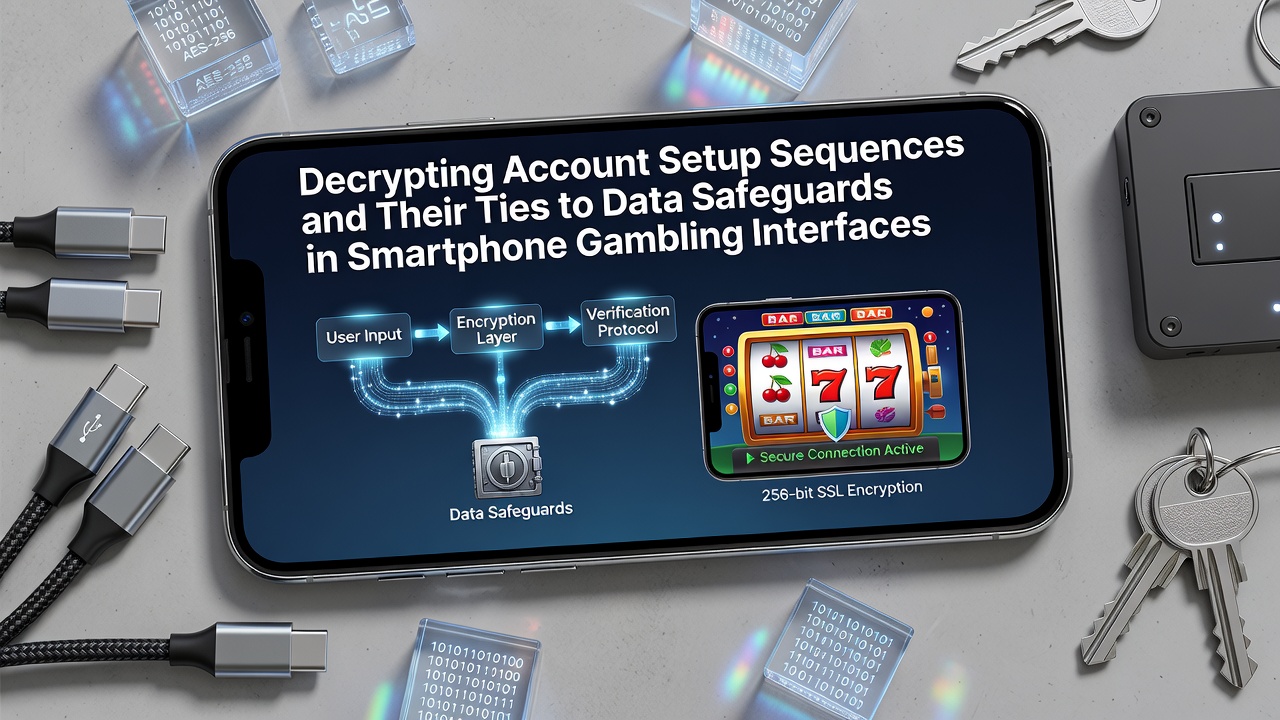
Account setup sequences in smartphone gambling interfaces follow structured pathways that begin with user input fields for personal identifiers and progress through verification stages before granting access to betting environments. These sequences collect data points including email addresses, phone numbers, and government-issued identification documents, then route the information through backend systems that apply encryption protocols at each transfer point. Observers note that the process typically requires device fingerprinting alongside biometric options such as fingerprint or facial recognition where available on modern smartphones.
Step-by-Step Data Flow During Registration
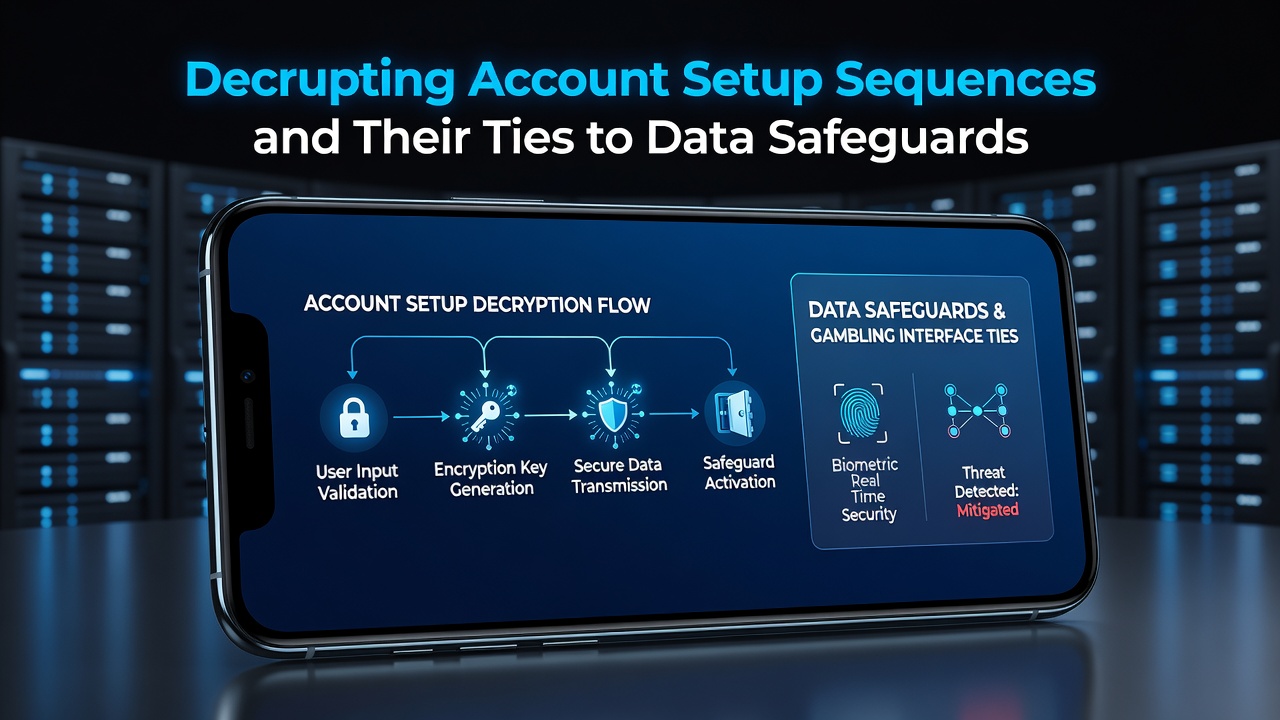
Initial registration screens prompt users to enter core details, after which the application transmits encrypted packets to secure servers for duplicate checks and age verification against national databases. Systems then generate unique account tokens that link directly to responsible gaming modules, ensuring that self-exclusion lists and deposit limit tools activate without separate user intervention. Data from industry reports shows that this linkage occurs within seconds of profile confirmation, with servers logging consent timestamps that regulatory frameworks in multiple jurisdictions require for audit trails.
Subsequent steps involve two-factor authentication setup through SMS or authenticator applications, which adds another layer of device-specific data capture. Researchers at academic institutions have documented how these tokens interact with cloud-based storage systems that segment player information into categories for marketing, compliance, and protection functions. The sequencing prevents premature access to gambling features until all safeguards receive confirmation signals from the central database.
Encryption Standards and Consent Mechanisms
Smartphone gambling applications employ AES-256 encryption for data at rest and TLS 1.3 protocols for data in transit, standards that align with requirements from bodies such as the National Council on Problem Gambling guidelines on secure player information handling. Consent flags embedded during setup determine whether the platform can share anonymized usage patterns with third-party analytics services while blocking direct identifiers from external transfers. In November 2026, several platform providers updated their mobile SDKs to incorporate dynamic consent toggles that adjust in real time based on user location and local data protection statutes.
These mechanisms tie registration data directly to automated safeguard triggers, including reality check prompts and session time limits that activate once the account reaches defined thresholds. Technical audits reveal that failed verification attempts trigger immediate data purging routines to minimize retained personal information in temporary caches. Applications also integrate with device-level security features, such as secure enclaves on iOS and Android hardware, to store sensitive tokens separately from the main application memory.
Cross-Platform Variations and Regulatory Alignment
Different operating systems handle account sequences with distinct priorities, as iOS environments emphasize App Tracking Transparency prompts earlier in the flow compared to Android's permission model that allows granular control over storage and location access. Data indicates that these differences influence how quickly safeguard features synchronize across user devices when players switch between phones or tablets. Platforms maintain unified backend profiles that reconcile these variations through API calls that refresh consent status every 24 hours.
International operators must adapt sequences to satisfy rules from regions including the Australian Communications and Media Authority and Canadian provincial regulators, which mandate specific data retention periods and breach notification timelines. One documented case involved a European operator adjusting its mobile registration to include separate checkboxes for marketing consent and responsible gaming enrollment, a change that reduced incomplete profiles by measurable percentages according to internal metrics shared in industry forums. The integration ensures that players who opt into exclusion programs during setup receive immediate confirmation without navigating additional menus.
Security Audits and Ongoing Monitoring
Independent testing laboratories conduct periodic reviews of these sequences to verify that no plaintext data exposure occurs during transmission or storage phases. Findings from such evaluations often highlight the importance of token rotation schedules that invalidate old session keys after predetermined intervals, thereby limiting potential damage from intercepted credentials. Platforms incorporate anomaly detection algorithms that flag unusual registration patterns, such as rapid attempts from the same IP range, and route those cases to manual review teams before account activation.
Updates rolled out in late 2026 introduced machine learning components that predict incomplete safeguard setups based on user behavior during the initial minutes of account creation. These tools prompt additional verification steps when patterns suggest elevated risk, all while maintaining compliance with data minimization principles that limit collection to essential fields only. Observers tracking these developments point to improved synchronization between account creation logs and external self-exclusion registries operated by independent bodies.
Conclusion
Account setup sequences in smartphone gambling interfaces serve as foundational gateways that embed data safeguards from the first user interaction onward. The technical linkages between registration data, encryption layers, and protection modules create automated pathways that activate responsible gaming tools without requiring repeated user action. Continued refinements in November 2026 and beyond reflect ongoing alignment between platform capabilities and regulatory expectations across multiple jurisdictions, with encryption standards adn consent mechanisms remaining central to maintaining secure player environments.