Charting the Path from Initial Account Creation to Automated Safeguard Triggers in Smartphone Casino Interfaces
Zoe Vogel · Oct 17, 2026
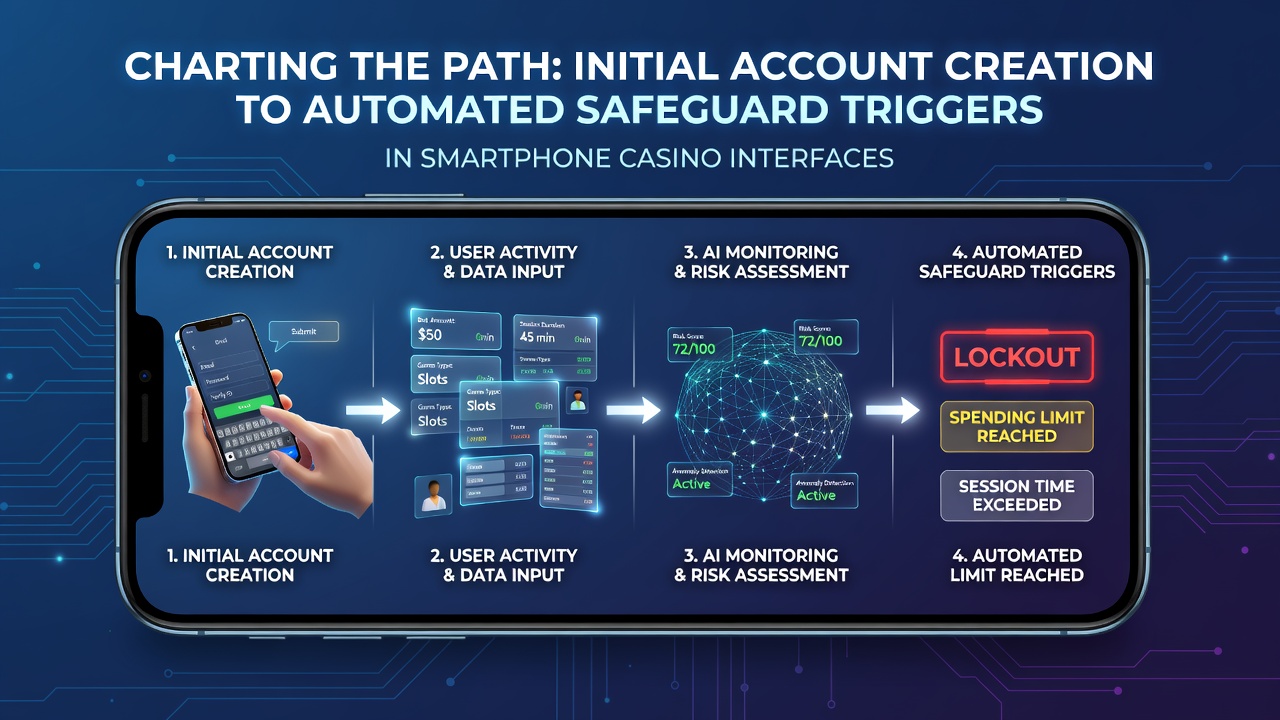
Charting the Path from Initial Account Creation to Automated Safeguard Triggers in Smartphone Casino Interfaces
Smartphone casino interfaces follow a structured sequence that begins with account creation and progresses through verification steps before reaching automated monitoring systems that activate player protection measures when certain thresholds are met. This pathway relies on data collection at each stage, with systems designed to track user behavior from the first login onward.
Initial Account Creation and Data Gathering
New users enter basic details such as email addresses, dates of birth, and phone numbers during signup, while the application simultaneously logs device identifiers, IP addresses, and operating system versions to build a preliminary profile. These elements combine to create a unique account record that serves as the foundation for all subsequent interactions, and the process typically completes within minutes when users confirm their email through a verification link.
Consent Mechanisms During Onboarding
Applications present consent screens that outline data usage policies, and users must actively agree to terms before proceeding further. This stage records explicit permissions related to behavioral tracking, which later informs how the platform identifies patterns that may require intervention. Observers note that many interfaces integrate these consents into a single flow, allowing the system to store flags that determine future safeguard activations without requiring additional user input.
Verification Processes and Profile Completion
After the initial setup, platforms require identity confirmation through uploaded documents or third-party services, which cross-reference personal information against official records. This step adds layers of data such as address history and payment method details, creating a more robust user profile that supports risk assessment algorithms. Data shows that verification completion rates influence how quickly monitoring systems begin active surveillance, with fully verified accounts entering behavioral analysis pipelines sooner than partial ones.
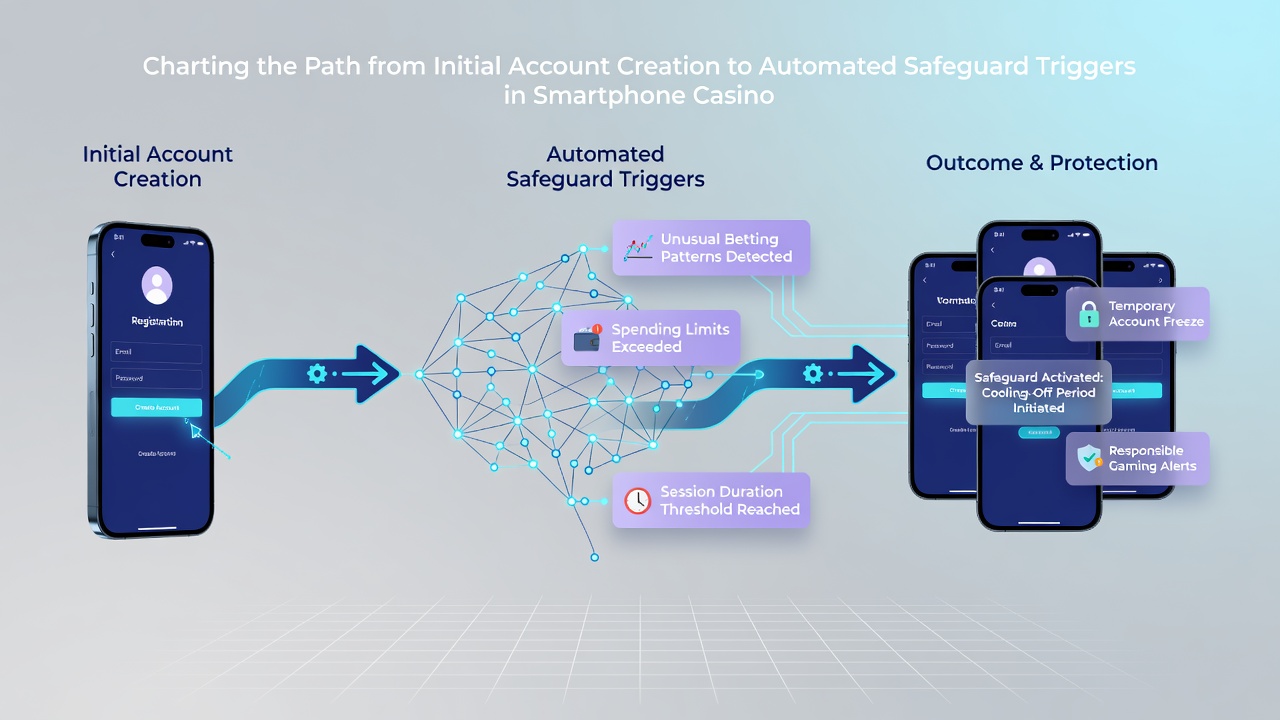
Behavioral Monitoring in Active Play Sessions
Once gameplay starts, the interface tracks metrics including session duration, deposit frequency, and loss amounts through backend systems that operate continuously in the background. These measurements feed into models that compare individual activity against established benchmarks, and algorithms flag deviations such as rapid increases in wager sizes or extended play without breaks. Research indicates that machine learning components refine these comparisons over time by incorporating data from similar user segments across the platform.
Pathway to Automated Triggers
When predefined conditions are reached, such as exceeding a set loss limit within a 24-hour window or showing signs of prolonged consecutive sessions, the system initiates safeguard protocols automatically. These protocols may include temporary deposit restrictions, pop-up reminders about session time, or prompts directing users toward limit-setting tools, all without manual operator involvement. Figures from industry reports reveal that such triggers activate based on real-time data streams rather than scheduled reviews, allowing responses to occur within seconds of threshold breaches.
Integration with External Standards in October 2026
Updates rolled out in October 2026 aligned smartphone casino interfaces with evolving technical guidelines from bodies like the Nevada Gaming Control Board and the Australian Communications and Media Authority, which emphasized seamless data handoffs between registration modules and protection engines. These changes improved how consent flags propagate through the system, ensuring that early user choices directly influence later automated responses. External analyses from sources such as the Responsible Gambling Council highlight how these integrations reduced manual oversight needs while maintaining compliance across jurisdictions.
Additional monitoring layers incorporate location data and device usage patterns to detect unusual access behaviors that could signal shared accounts or rapid switching between devices. When combined with play metrics, these elements strengthen the accuracy of trigger decisions, and platforms adjust parameters periodically based on aggregated performance data from prior months.
Conclusion
The complete path from account creation to safeguard activation forms a continuous data chain that smartphone casino interfaces manage through layered collection points and responsive algorithms. Each stage builds upon the previous one, with consent records and behavioral logs guiding automated actions that occur without direct human intervention. This structure supports consistent application of protection features across diverse user journeys while adapting to regulatory expectations observed in multiple regions.